Cooperating with reliable suppliers is only the foundation. Full-process quality control is the core of stable profits. Many overseas buyers suffered huge losses including bulk defective goods, customs detention and claims from end customers due to neglected quality inspection. This issue thoroughly breaks down Chinese product quality standards, inspection channels, quality clauses in contracts and after-sales dispute solutions, helping you realize full-link quality management and risk-free importing.
1. Distinction & Alignment Between Domestic and International Quality Standards
- Hierarchy of Chinese Domestic Standards Chinese standards include national mandatory GB standards, industrial standards and internal factory standards. National standards set the minimum mandatory requirements. Export-oriented goods such as home appliances, toys and textiles have special compulsory testing rules. High-quality factories will voluntarily align with overseas market access specifications, with stricter internal standards.
- Main International Market Access Standards
- EU: CE, REACH, EN71 toy safety standards
- US: FDA, CPC children’s product certification, RoHS
- Australia: AS/NZS safety standards You must specify mandatory certifications for your target market and list them in contracts to avoid customs clearance failures at destination ports.
- Practical Tips for Standard Alignment Ask manufacturers to provide original material test reports and certification documents before placing orders. For customized products, produce pre-production samples for testing in line with importing country standards to fix material and craftsmanship defects in advance.
2. 3 Inspection Modes & Authorized Third-Party Testing Institutions
(1) Common Inspection Modes & Applicable Scenarios
- Pre-production Inspection: Random test of raw materials & accessories, suitable for fabrics, plastic and metal products to eliminate inferior raw materials at source;
- In-line Inspection: Spot-check semi-finished products during production to fix craft defects timely, ideal for bulk orders;
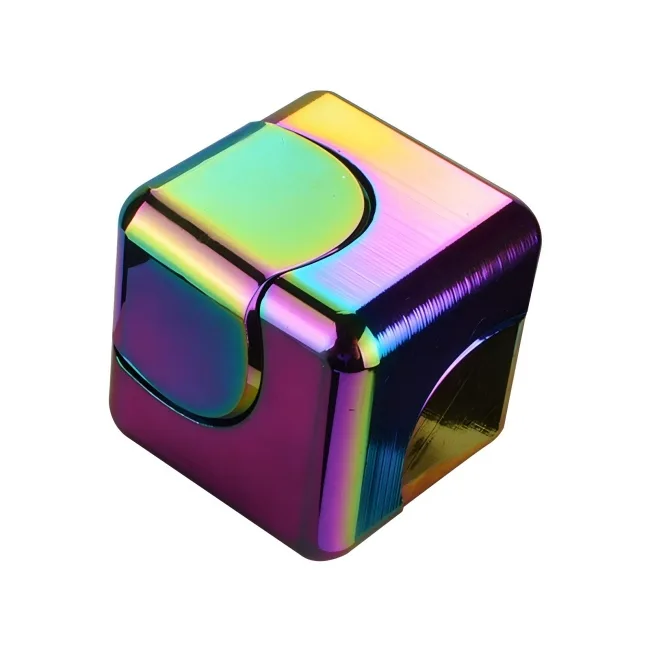
- Pre-shipment Inspection (AQL Standard): Sampling inspection after all goods are packed, the most widely used inspection method in foreign trade. AQL sampling is mandatory for electronic products and sensory teaching toys;
- Full Inspection: Separate test for each unit, applied to high-value precision products with higher cost but zero defective risk.
(2) Authorized Third-Party Testing Institutions
SGS, BV, Intertek and TÜV have labs across major Chinese cities with internationally recognized qualifications. You can entrust them to conduct factory audits, on-site pre-shipment inspections and issue official test reports, which can be used for customs clearance and customer claim support.
3. Mandatory Quality Clauses & Dispute Settlement Mechanisms in Purchase Contracts
- Core Quality Clauses
- Clear applicable standards: List both Chinese national standards and importing country certification requirements;
- Binding sample rules: Agree pre-production sample, confirmed sample and bulk goods shall be identical. Any inconsistency shall be deemed supplier breach of contract;
- Defect compensation ratio: Set maximum allowable defective rate. Suppliers shall bear rework, re-delivery and air freight costs if the rate exceeds the limit;
- Packaging specifications: Specify moisture-proof, shock-proof and shipping mark requirements to prevent damage during transit.
- Complete Process for Quality Disputes State clearly in contracts: Buyers shall complete inspection within 7–15 working days after receiving goods. If quality defects are found, photos, videos and third-party test reports shall be provided as evidence. Suppliers must propose solutions within 48 hours, including re-delivery, full refund or price discount. If negotiation fails, both parties shall settle disputes via designated arbitration institutions, with all testing and logistics fees borne by the liable party.
4. Practical Daily Quality Control Tips
- Assign a dedicated QC contact to receive production progress videos and semi-finished photos for every order;
- Mandate third-party inspection for trial orders, and scale up bulk orders only after verifying the factory’s QC capacity;
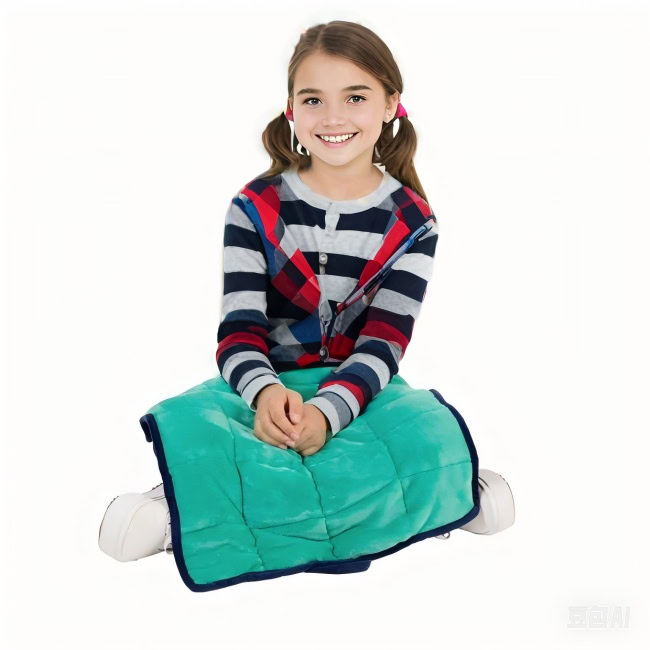
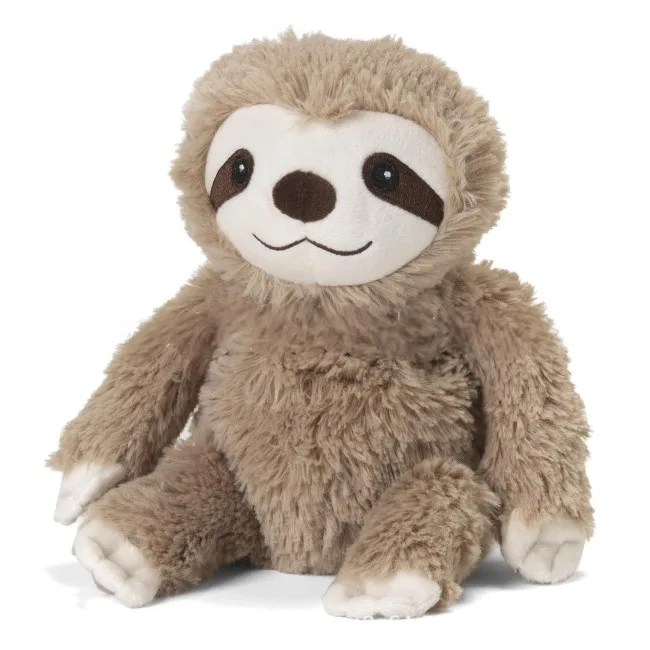
- Add special heavy metal and non-toxic material tests for children’s products, sensory toys and maternity goods to avoid compliance risks.
Closing Remarks
Quality control is the core competitiveness of long-term cross-border trade. Standardized inspection and complete contract clauses can greatly reduce after-sales losses. In the next issue, we will sort out all hidden risks during importing, including policy changes, exchange rate fluctuations and trade barriers, with comprehensive countermeasures. Stay tuned!