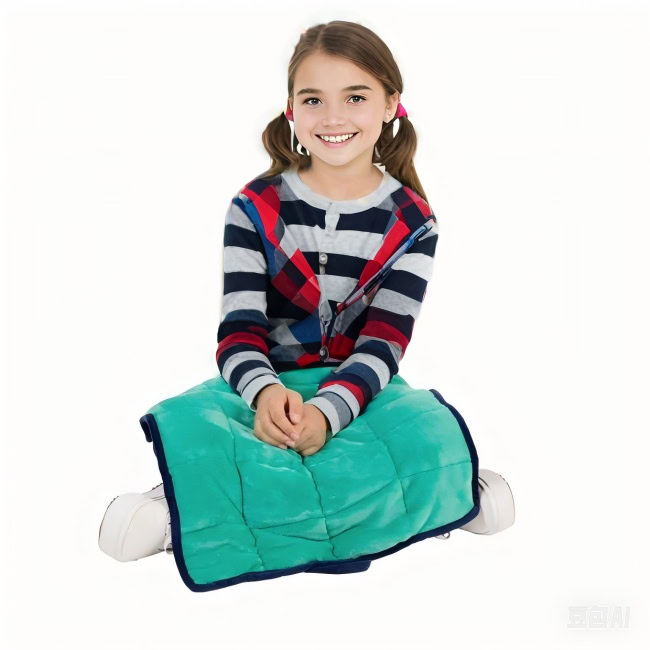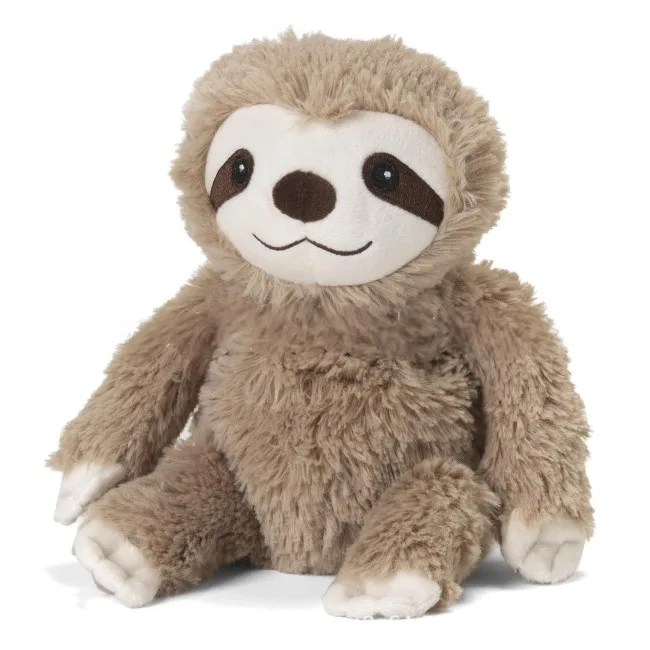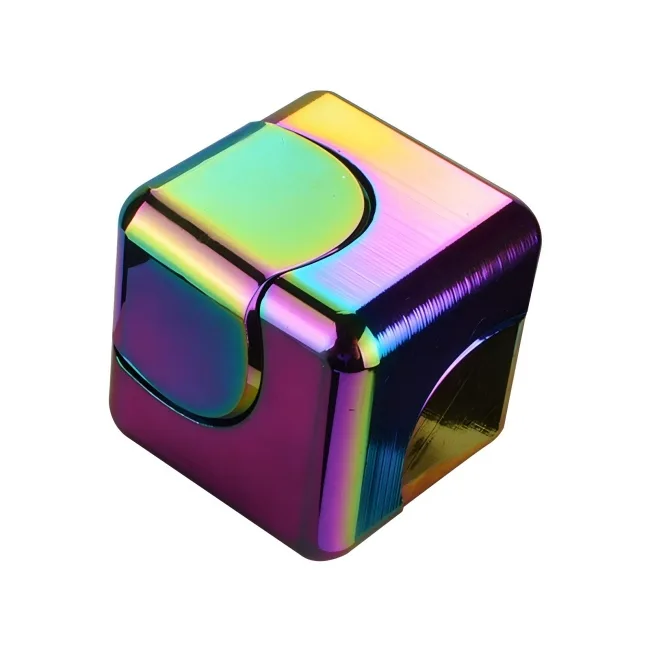
For educational distributors, special needs brand owners, and institutional procurement teams, safety compliance is not just a legal checkbox—it is the foundation of brand reputation and risk management. Sensory products—such as weighted lap pads, food-grade silicone chew tools, liquid floor tiles, and tactile fidgets—are used extensively by children, individuals with special needs, and therapeutic centers. In these high-sensitivity environments, a single product defect or compliance failure can lead to severe safety risks, costly product recalls, or permanent brand damage.
Navigating global regulatory frameworks can be complex. Here is an essential breakdown of the key safety standards governing sensory tools in major international markets and what B2B buyers must evaluate when selecting a manufacturing partner.
1. United States Market: ASTM F963 & CPSIA Standards
Products sold in the US market—whether destined for Amazon storefronts, school supply catalogs, or pediatric clinics—must strictly comply with federal regulations enforced by the Consumer Product Safety Commission (CPSC).
- ASTM F963 (Standard Consumer Safety Specification for Toy Safety):
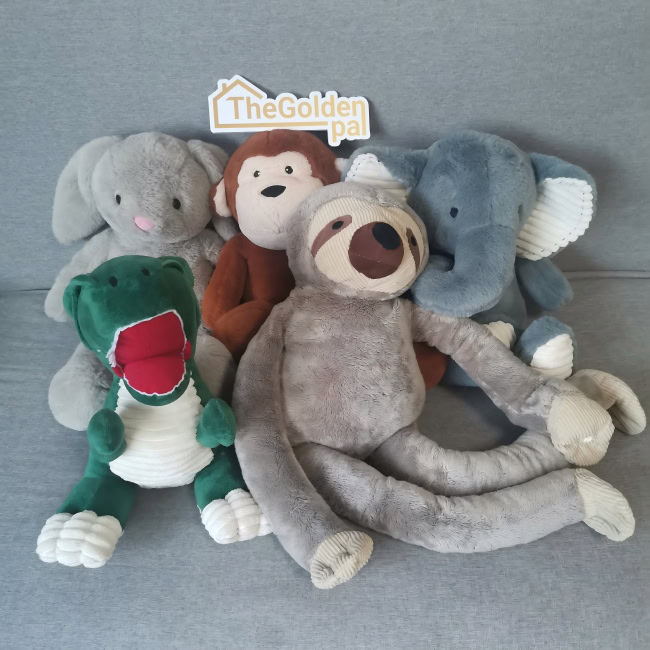
- Physical & Mechanical Testing: Evaluates product durability against drop tests, seam tension, and sharp edges. For weighted items (such as weighted plush animals or blankets), seam strength is vital to ensure filling beads do not present a choking hazard.
- Flammability (ASTM F963 Annex A5): Ensures fabric materials used in sensory plush, compression vests, or fabric mats resist ignition.
- Heavy Elements Testing: Mandates that surface coatings and substrate materials do not contain harmful levels of toxic heavy metals like lead, antimony, arsenic, or barium.
- CPSIA (Consumer Product Safety Improvement Act):
- Total Lead & Phthalate Limits: Phthalates (commonly used as plasticizers) and total lead content in accessible parts are restricted to strict parts-per-million (ppm) thresholds. This is critical for silicone fidgets, TPE chew tools, and vinyl liquid floor tiles.
- Tracking Labels: All children’s products must carry permanent tracking labels indicating the manufacturer, batch location, and date of production.
2. European Union Market: EN71 & CE Certification
Entering the European market requires compliance with the EU Toy Safety Directive 2009/48/EC and displaying the mandatory CE Mark.
- EN71-1: Mechanical and Physical Properties: Focuses on torque, tension, impact, and drop tests to prevent the formation of small parts or sharp points during regular use or abuse.
- EN71-2: Flammability: Tests the rate of flame spread across textile components, soft play items, and fabric-covered sensory tools.
- EN71-3: Migration of Certain Elements: Regulates the migration of 19 toxic heavy metals (including aluminum, cadmium, chromium, and lead) from toy materials. This applies heavily to paints, liquid tile fluids, and dyed fabrics.
- REACH Regulation: Strictly controls chemical substances used in materials (e.g., polycyclic aromatic hydrocarbons (PAHs) and SVHC chemicals), ensuring long-term safety for contact with skin.
3. Special Material Compliance for Sensory & Oral Motor Categories
Certain sensory product lines carry elevated safety requirements due to their specific use cases:
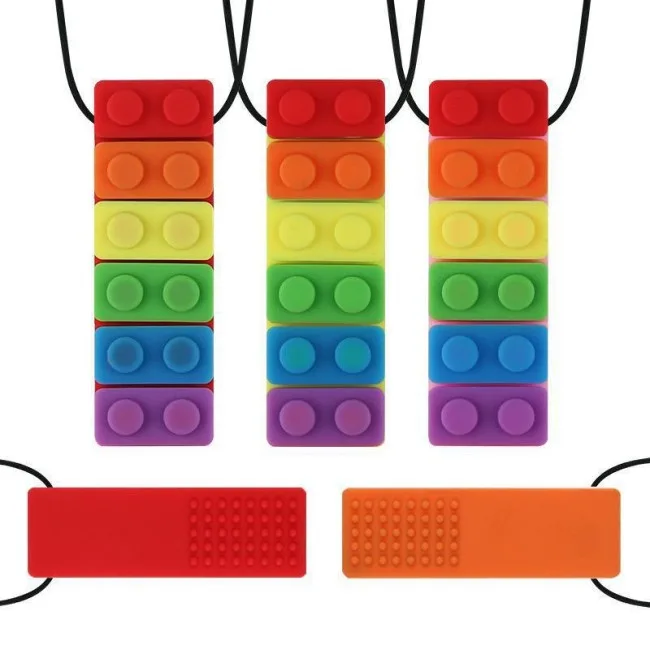
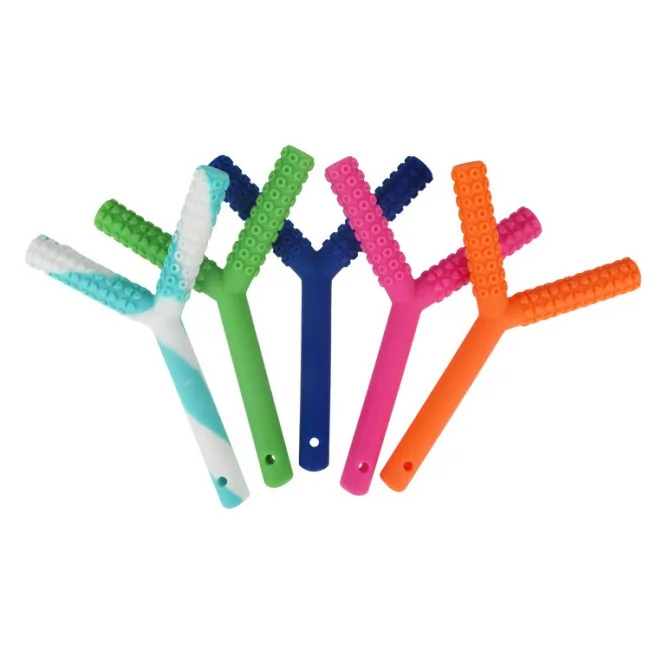
- Oral Motor & Chew Tools: Because products like silicone chew sticks or chewable jewelry enter the mouth, materials must be 100% Food-Grade Silicone or TPE, free from BPA, PVC, Phthalates, Lead, and Latex. They must pass rigorous bite-force tension tests to prevent small pieces from detaching.
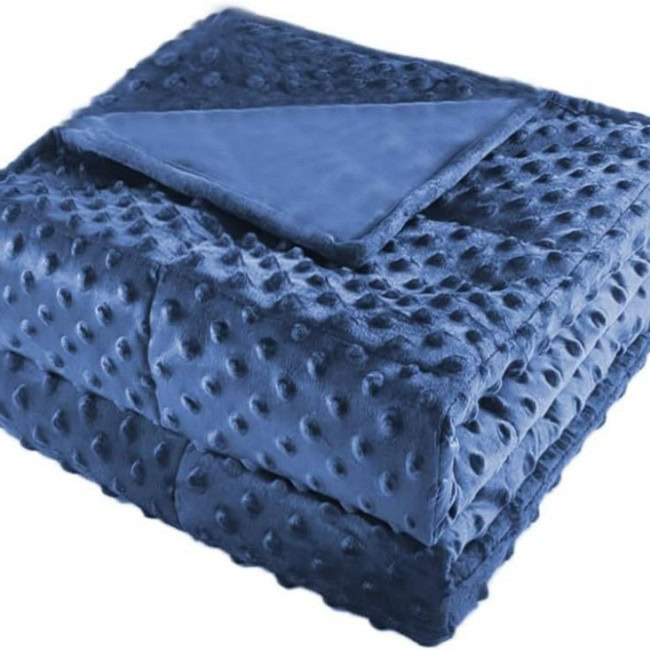
- Weighted & Deep Pressure Products: Must utilize non-toxic, odorless, high-density glass micro-beads or food-safe plastic pellets enclosed in double-stitched baffle pockets to guarantee leak-proof security.

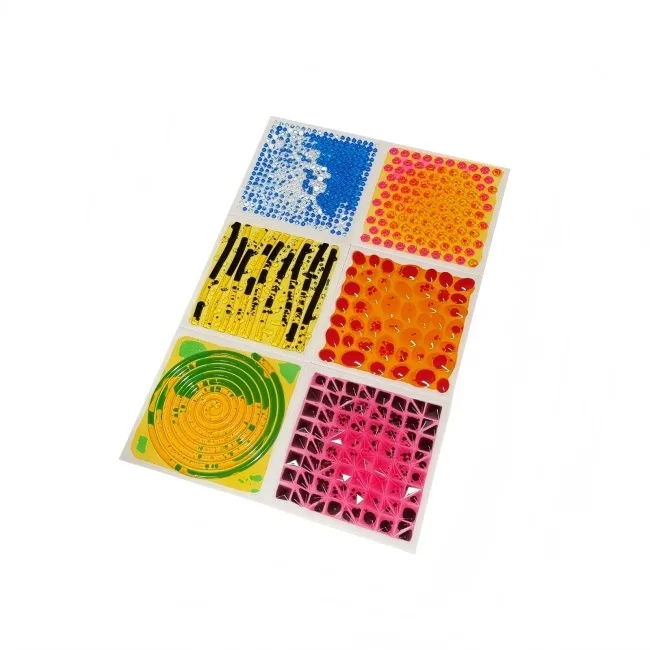
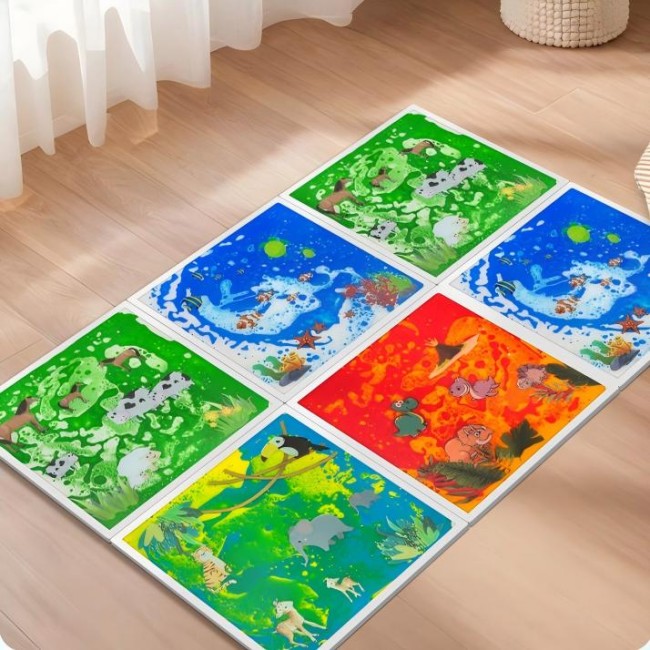
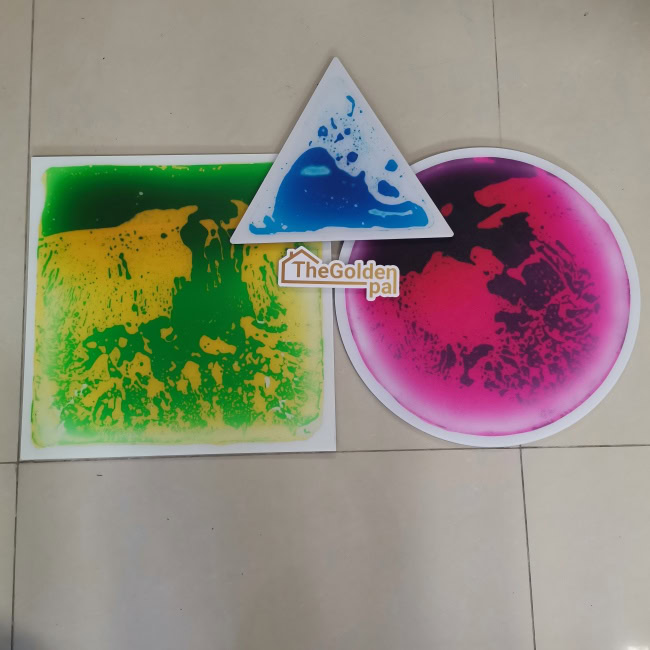
- Liquid Floor Tiles & Visual Sensory Devices: Internal liquids must be non-toxic, cosmetic-grade, or purified water-based solutions, sealed in high-durability, anti-crack poly-carbonate or PVC casings capable of withstanding heavy impact and weight loads.
4. B2B Checklist: How to Verify Your Factory’s Compliance
When auditing an OEM/ODM supplier or requesting product quotes, institutional buyers should request and verify the following documentation:
- Third-Party Test Reports: Ensure test reports (from recognized labs such as SGS, TÜV, Intertek, or BV) are recent (typically within 12 months) and match the exact product model and material composition.
- Children’s Product Certificate (CPC): For US distribution, the supplier or importer of record must issue a CPC backed by accredited laboratory test results.
- Factory Audit Certifications: Look for suppliers with ISO 9001 (Quality Management) or BSCI/SMETA (Social & Safety Compliance) accreditations.
Partner with TheGoldenPal for Fully Compliant Sensory Manufacturing
At TheGoldenPal, safety and quality engineering are embedded into every step of our design and manufacturing process. As a specialized B2B exporter of sensory equipment, special needs tools, and pediatric support products, we supply global distributors, brand owners, and institutional buyers with fully certified, therapeutic-grade products.
Whether you require custom OEM/ODM development with custom safety packaging or ready-to-ship wholesale inventory compliant with EN71, ASTM F963, and CPSIA standards, our factory team ensures complete compliance peace of mind.