Designing and equipping a professional sensory room—whether for a special education school, a pediatric therapy clinic, or a children’s care facility—requires a substantial financial and operational investment. Procurement officers and B2B buyers are tasked with a heavy responsibility: selecting products that are not only therapeutically effective but also safe enough to protect vulnerable users.
In the wholesale sensory market, a low price tag often masks manufacturing shortcuts that can lead to institutional liability, compliance failures, or worse, physical injury. To help international buyers safeguard their investments and their reputations, we have compiled the top 4 quality red flags you must avoid when sourcing sensory room equipment.
1. Substandard Fabric and Foam Density (The Sagging Risk)
Many retail-grade soft play items and sensory mats look identical in catalog photos, but their internal engineering tells a different story.
- The Red Flag: The use of low-density foam (under 25 kg/m³) wrapped in cheap, thin PVC or PU covers.
- The Danger: Under constant institutional use by multiple children, low-density foam rapidly loses its structural integrity, leading to flattening, structural collapse, and sagging. Furthermore, weak outer fabrics tear easily under tension, exposing the interior.
- The B2B Standard: Institutional sensory equipment demands high-density, resilient EPE or polyurethane foam wrapped in heavy-duty, tear-resistant, and flame-retardant eco-leather. Surfaces must withstand repetitive compression without losing their therapeutic shape.
2. Strong Chemical Odors and Lack of Non-Toxic Certification
Sensory rooms are designed for individuals with heightened neurological sensitivities. A room filled with toxic off-gassing defeats the purpose of a calming environment.
- The Red Flag: Equipment arriving with a pungent, harsh chemical smell, often a byproduct of cheap plasticizers, volatile organic compounds (VOCs), or industrial glues.
- The Danger: Neurodivergent children are highly susceptible to sensory overload from strong smells. More importantly, prolonged exposure to high levels of phthalates, lead, or formaldehyde poses severe health risks, particularly since sensory items are often hugged, leaned on, or even chewed.
- The B2B Standard: Always demand verified, third-party laboratory testing certificates. Ensure your supplier’s materials strictly comply with European EN71 (Parts 1-3) or American ASTM / CPC (Children’s Product Certificate) standards for chemical non-toxicity.
3. Vulnerable Seams and Exposed Zippers
The structural longevity of any soft sensory environment depends heavily on its smallest structural details: the stitching and closures.
- The Red Flag: Single-line stitching, fragile nylon threads, and standard, exposed metal zippers on pillows, wedges, or soft play blocks.
- The Danger: Aggressive play, jumping, or heavy leaning will cause single-stitched seams to burst open. Exposed zippers present a double hazard: they can painfully scratch a child’s delicate skin and offer curious hands easy access to internal foam chunks, creating a dangerous choking or ingestion hazard.
- The B2B Standard: Look for industrial-grade, double-reinforced internal stitching. Premium manufacturers utilize concealed zipper flaps or inverted safety zippers that remain completely hidden from the user during therapeutic activities.
4. Inadequate Sensory Feedback Control
Sensory room equipment must deliver predictable, controlled sensory modulation—whether it is calming deep pressure or stimulating tactile textures.
- The Red Flag: Products that lack uniform resistance, possess rough or abrasive seams, or fail to deliver consistent sensory feedback.
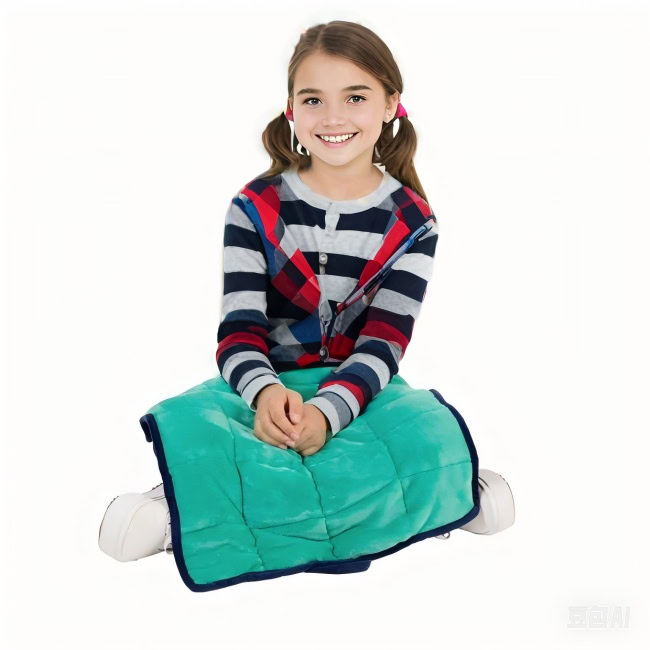
- The Danger: Inconsistent weight distribution in weighted sensory mats or uneven texturing on sensory path tiles can trigger sudden distress, meltdowns, or sensory avoidance in a child with autism or sensory processing disorders.
- The B2B Standard: Professional-grade equipment undergoes rigorous sensory design calibration. Weighted items must utilize evenly baffled compartments to prevent shifting, and tactile surfaces must offer distinct yet completely safe tactile differentiation.
💡 The Strategic Solution: Partner with TheGoldenPal Navigating the complexities of high-end sensory room procurement requires a supplier who refuses to cut corners. At TheGoldenPal, we specialize in engineering heavy-duty, institution-readySensory Room Equipment.
From our premium soft play blocks to our advanced tactile integration tools, every product we manufacture utilizes double-reinforced safety seams, high-density medical foam, and 100% certified non-toxic coatings. We don’t just supply products; we secure your supply chain and protect your brand’s reputation in the international special education market.
Frequently Asked Questions (FAQ)
Q1: What are the primary safety certifications required to import sensory room equipment into the US and EU?
For the US market, imports must pass ASTM F963 standards and carry a Children’s Product Certificate (CPC) validating lead and phthalate compliance. For the EU market, equipment must bear the CE mark and satisfy EN71 (Parts 1, 2, and 3) regulations regarding mechanical properties, flammability, and heavy metal migration.
Q2: Why is foam density critical when purchasing soft play items for commercial therapy clinics?
Commercial pediatric clinics experience high-frequency use daily. Low-density foam compresses permanently under repetitive weight, rendering the equipment useless within months. High-density structural foam ensures that wedges, stairs, and sensory platforms retain their therapeutic angles, structural stability, and safety support over thousands of usage cycles.
Q4: Can The Golden Pal custom-manufacture sensory room kits to meet specific institutional dimensions or branding guidelines?
Yes. As a comprehensive OEM/ODM contract supplier, The Golden Pal offers extensive customization. We can adjust foam densities, modify dimensions to fit specific clinic blueprints, apply custom corporate branding, and bundle tailored sensory kits designed for specialized therapeutic goals.